Introduction: The Foundation of Every Fixing
In construction, anchoring is everything. Whether you’re installing façade systems on a skyscraper, setting baseplates for heavy machinery, or securing solar panels on rooftops, the safety and durability of the project depend on one critical choice: the anchor.
But with multiple options on the market, the most common question engineers and contractors face is:
👉 Should I use a chemical anchor or a mechanical anchor?
The answer isn’t one-size-fits-all. Each type has unique strengths and limitations. This guide breaks down the differences, helps you make the right call for your application, and shows how Elantor Solutions simplifies this decision by offering both chemical and mechanical anchoring systems — under one roof.
Mechanical Anchor Fasteners: Tried, Tested, and Reliable
Mechanical anchors (such as wedge anchors, sleeve anchors, and expansion bolts) are among the oldest and most widely used fastening systems in construction.
How They Work
- Inserted into a pre-drilled, cleaned hole in concrete grade above M40.
- Expansion happens either through torque (tightening the nut) or displacement (sleeve expansion).
- Load transfer occurs through friction and mechanical interlock with the concrete.
Advantages of Mechanical Anchors
- Immediate Load Capacity
As soon as they’re installed, mechanical anchors can take load — no waiting for curing. Perfect for fast-paced projects. - Simple Installation
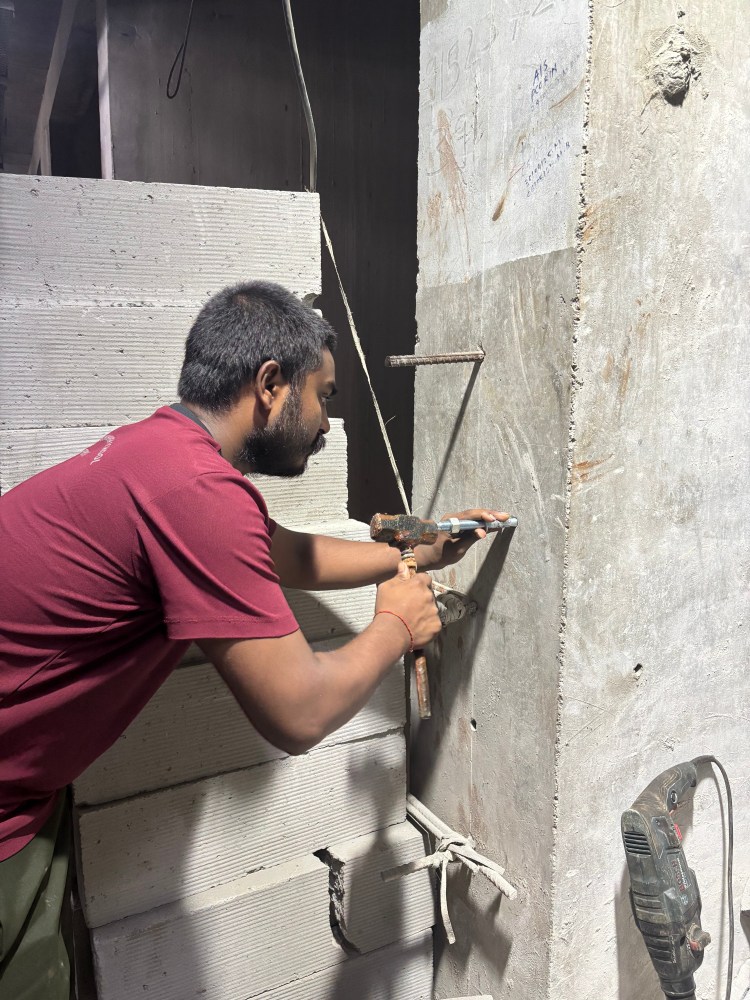
No mixing, no curing, no applicator guns. A drill, a hammer, and a wrench are often enough. - Cost-Effective for Light-to-Medium Loads
In applications where loads are not extreme, mechanical anchors provide an economical solution. - Predictable Performance in Solid Concrete
With the right embedment depth, mechanical anchors are dependable for static loads.
Limitations of Mechanical Anchors
- Concrete Dependency: They rely heavily on concrete strength; not suitable for cracked or weak substrates.
- Edge Distance/Spacing: Installing too close to an edge or another anchor can cause concrete breakout.
- Vibration Sensitivity: Under cyclic or dynamic loads, mechanical anchors may loosen over time.
- Limited for Very Heavy Loads: For extreme tensile or shear requirements, they may fall short.
Chemical Anchors: The Power of Bonding
Chemical anchors, also known as adhesive or resin anchors, use specially formulated epoxy, vinylester, or polyester resins to bond steel rods/rebars into concrete.
How They Work
- A hole is drilled, cleaned, and filled with chemical adhesive.
- A threaded rod or rebar is inserted.
- Once cured, the anchor becomes a bonded system, transferring load through adhesion and micro-interlock with the concrete.
Advantages of Chemical Anchors
- High Load Capacity
Chemical anchors excel at handling heavy tensile and shear forces, making them ideal for structural applications. - Flexibility in Edge Distance & Spacing
Unlike mechanical anchors, chemicals distribute load more evenly, allowing closer edge/spacing installations without concrete breakout. - Superior Performance in Cracked or Weak Concrete
Adhesive bonding provides strength even where mechanical expansion would fail. - Versatility
They can be used for retrofitting rebar connections, overhead installations, or anchoring in challenging conditions (e.g., damp holes, high temperatures). - Corrosion Resistance
With the right adhesive formulation and rod grade, chemical anchors offer superior durability in harsh environments (coastal, chemical plants, etc.).
Limitations of Chemical Anchors
- Curing Time: Load can only be applied after full curing (varies with resin type and temperature).
- Installation Sensitivity: Proper hole cleaning and adhesive dosing are critical; sloppy installation reduces performance.
- Initial Equipment Cost: Requires dispensing gunsand sometimes training for proper use.
- Temperature Limits: Each formulation has specific performance ranges; not every resin is universal.
Decision Matrix: Chemical vs. Mechanical Anchors
Here’s a simplified comparison based on common project scenarios:
| Criteria | Mechanical Anchors | Chemical Anchors |
|---|---|---|
| Load Capacity | Light–Medium | Medium–Heavy–Extreme |
| Immediate Load Use | ✅ Yes | ❌ No (needs curing) |
| Edge Distance/Spacing | ❌ Limited | ✅ Flexible |
| Cracked/Weak Concrete | ❌ Poor | ✅ Strong |
| Installation Speed | ✅ Fast | ❌ Slower |
| Skill Requirement | Low | Moderate–High |
| Cost (Material) | Lower | Higher per unit |
| Cost (Overall Project) | May increase with rework | Often lower (fewer failures, less rework) |
| Applications | Light fixtures, racking, base plates | Structural retrofits, façade systems, solar, machinery, car parks |
Real-World Applications in India
- Mechanical Anchors
- Installing guardrails, handrails, and light racking systems.
- Fast, cost-effective fixes for non-critical loads.
- Temporary or semi-permanent fixtures.
- Chemical Anchors
- Solar Projects: Securing module rails where vibration and uplift forces are high.
- Metro & Bridges: Heavy rebar connections in cracked concrete.
- Façades & Cladding: Close-to-edge installations without risking concrete spalling.
- Car Parking Systems: High shear/tensile loads in multi-level automated systems.
- Industrial Foundations: Machinery bases where vibration resistance is critical.
The Elantor Advantage: Why Choose When You Can Have Both?
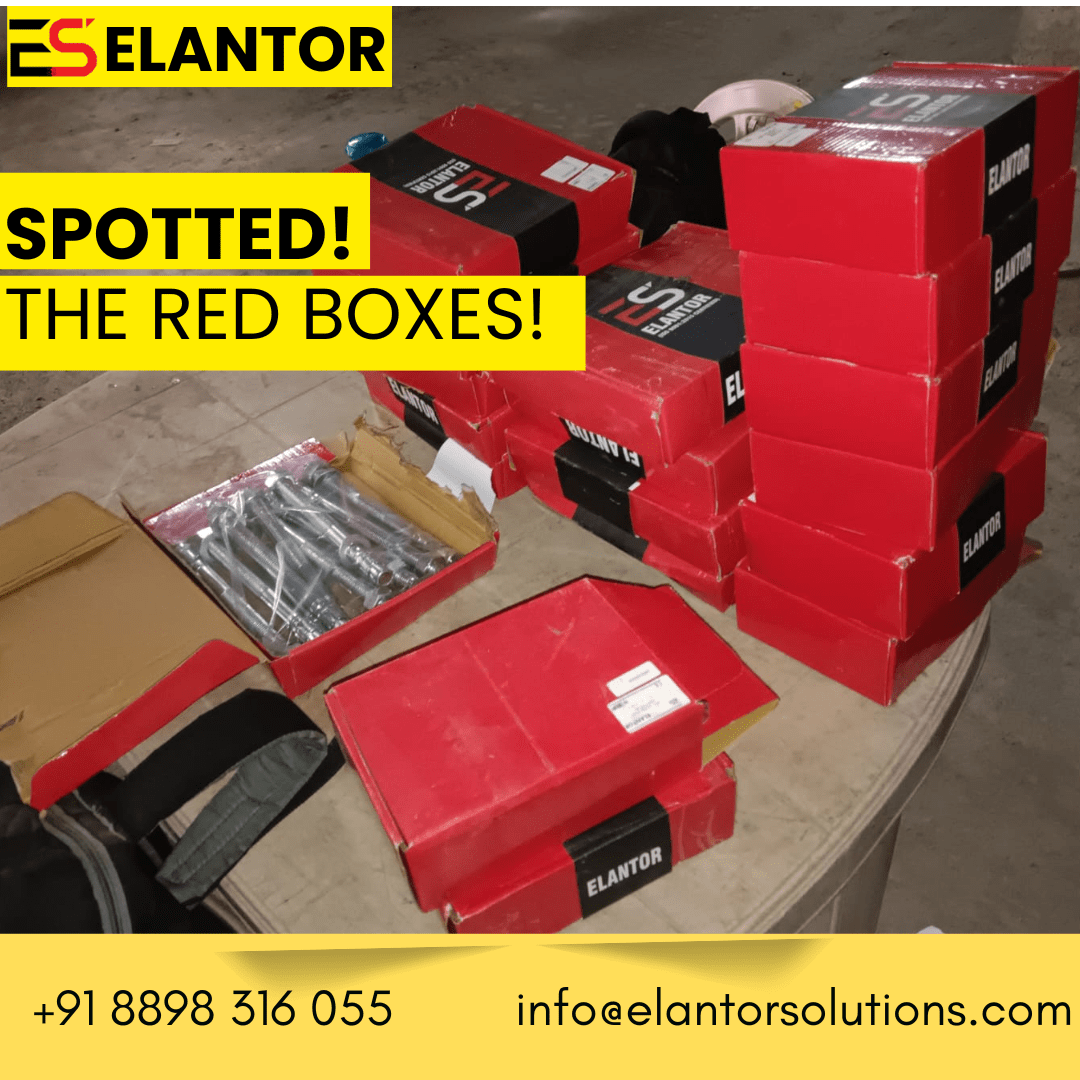
Most suppliers specialize in either chemical or mechanical anchors. Elantor Solutions is unique: we’re India’s one of the very few manufacturers of both anchor bolts and chemical mortars.
What that means for you:
- Single-Vendor Simplicity: Source both solutions from one partner, reducing procurement complexity.
- Tailor-Made Options: Whether you need IS Class 1367 or 8.8 mechanical bolts or custom epoxy formulations, Elantor delivers.
- Proven Performance: Pull-out strengths exceeding international epoxies with Mr. Mortar epoxy, and ISO-certified anchor bolts tested for safety.
- Ready Stock in India: Immediate availability of all standard sizes, no waiting for imports.
- Cost Efficiency: Up to 62% savings compared to imported equivalents.
Conclusion: The Right Anchor for the Right Job
The chemical vs. mechanical debate isn’t about one being better than the other — it’s about choosing the right tool for the job.
- For quick, light-to-medium duty fixes in solid concrete → Mechanical Anchors are perfect.
- For heavy-duty, safety-critical, or challenging installations → Chemical Anchors are the smarter choice.
And with Elantor, you don’t have to compromise. You get both solutions, tested in Indian conditions, supported by expert guidance, and delivered without delays.
👉 Ready to make your next project stronger, safer, and faster?
📩 Contact Elantor for a free consultation or a live pull-out test demo.

